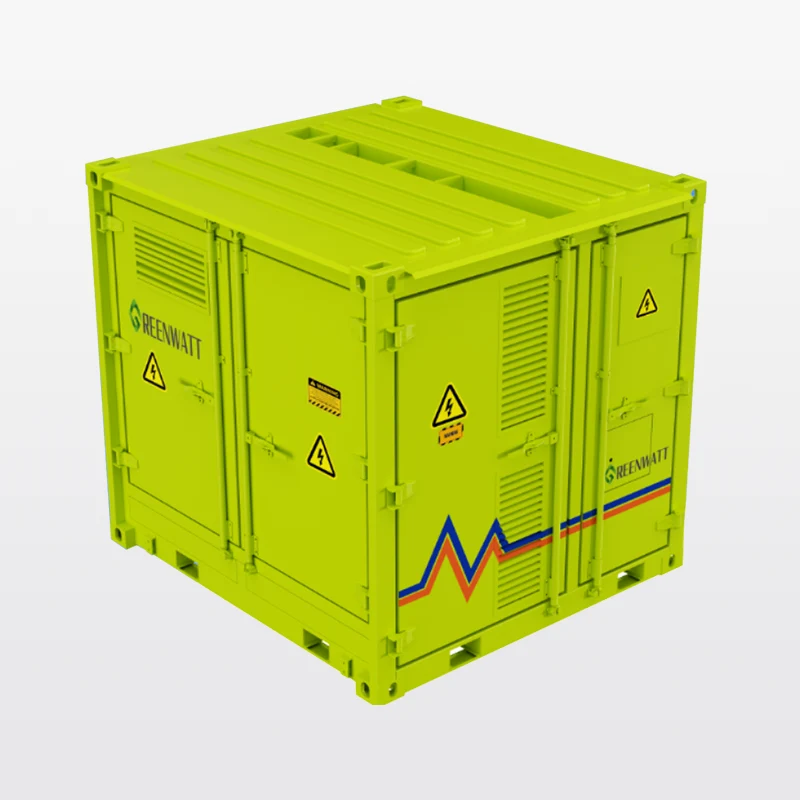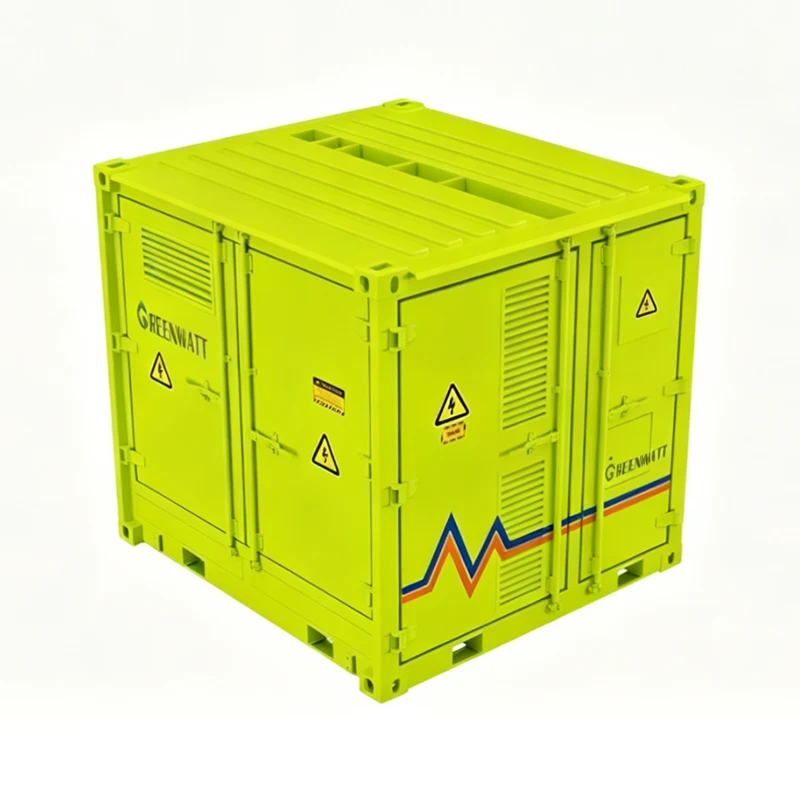
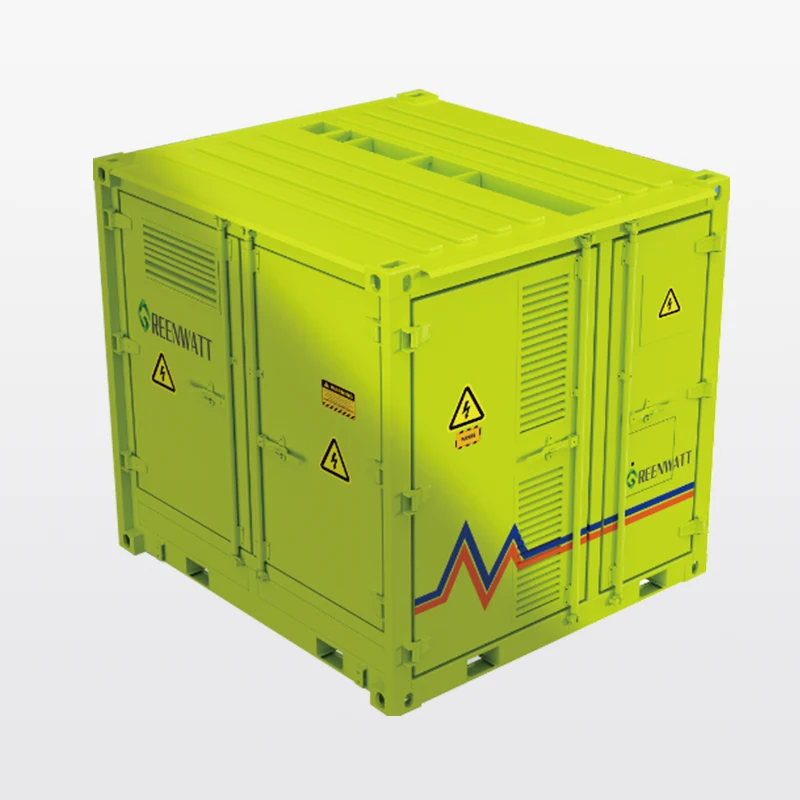
BESS 500HD Battery Energy Storage System
Need 500kW of clean power where the grid never reaches? Greenwatt delivers a pre
wired BESS(Battery energy storage system) with semi
solid battery technology inside a compact 3000×2200×2300 mm cabinet. Set it down, connect your load, and you’re online. Ideal for temporary events, off
grid EV charging, or backup power for remote telecom towers. Source Greenwatt BESS(Battery energy storage system) now and skip the diesel headache.
Send Inquiry
Product Description
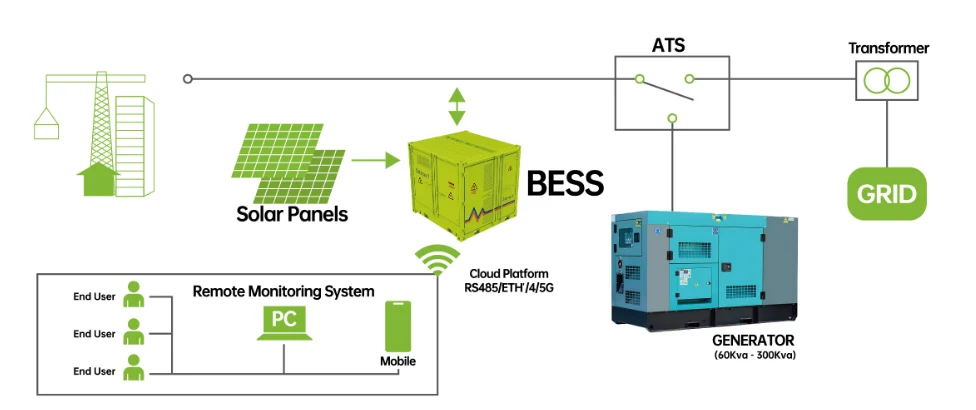
Many customers purchasing off-grid energy storage systems ask the same question: "How many days will it take me to hire an electrician to wire the system after the cabinet arrives at the site?" Greenwatt's response is: No days—no even half a day is needed. This is because our 500kW BESS(Battery energy storage system) has already undergone all internal wiring and system debugging before leaving the factory. The power and signal cables connecting the battery clusters, between the battery clusters and the PCS, and between the PCS and the input/output terminals are fully installed with torque markings. The parameters for the BMS and EMS are preset using a rapidly adaptable template tailored to your load type. Upon arrival at the site, you simply connect the load cables to the external copper busbar, connect the photovoltaic or generator input to the corresponding terminals, release the handbrake, and close the main circuit breaker—the system will then automatically start and begin supplying power. The entire process is completed within two hours.
The dimensions of 3000×2200×2300 mm represent a carefully balanced design. The 3000-mm length ensures sufficient space for multiple semi-solid battery clusters to support a peak power output of 500 kW; the 2200-mm width provides ample room for two adults to perform maintenance inspections from the cabinet's interior; and the 2300-mm height offers a net cabinet height of approximately 2100 mm, allowing technicians to work standing without bending. The cabinet features a welded steel frame, outdoor-grade powder coating, and an IP54 protection rating for rain and dust resistance. The top cover has a slight slope to prevent water accumulation.
The semi-solid-state battery stands out as the most significant feature of this system. Conventional lithium batteries tend to generate excessive heat during high-current charging and discharging, whereas the semi-solid electrolyte, with its lower internal resistance, significantly reduces heat generation—a critical advantage for 500 kW-level applications (where peak currents can reach hundreds or even thousands of amperes). Reduced heat generation leads to lower power consumption in the thermal management system and decreased self-discharge of the entire cabinet, freeing up more effective power for the load. Additionally, semi-solid-state batteries maintain better discharge capacity retention at low temperatures (e.g., -10°C to-20°C) compared to conventional ternary lithium and lithium iron phosphate batteries, making them particularly advantageous for off-grid applications in high-latitude or high-altitude regions.
Hot Tags: BESS 500HD Battery Energy Storage System, China, Manufacturer, Supplier, Factory
Related Category
Send Inquiry
Please Feel free to give your inquiry in the form below. We will reply you in 24 hours.