Home > Products > DC Circuit Protection > DC Molded Case Circuit Breaker > DC1500V 400A Molded Case Circuit Breaker
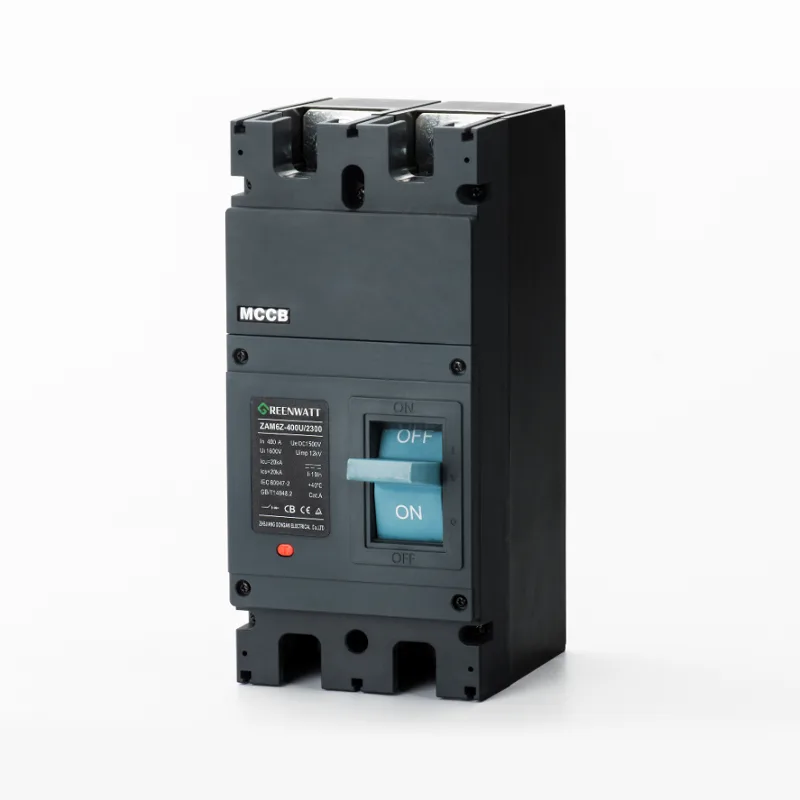
DC1500V 400A Molded Case Circuit Breaker
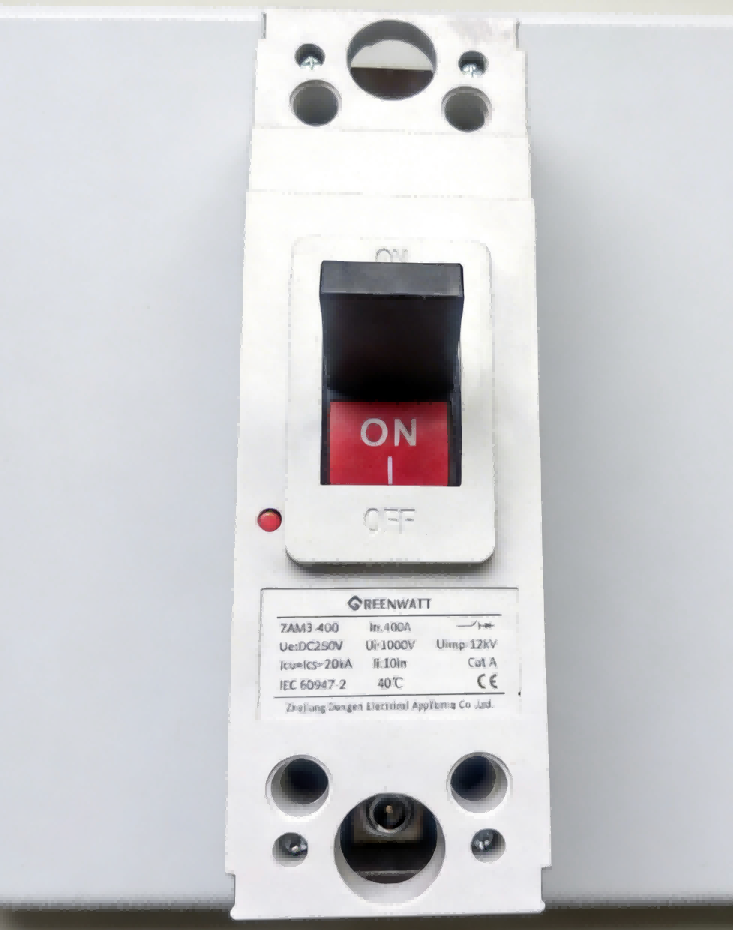
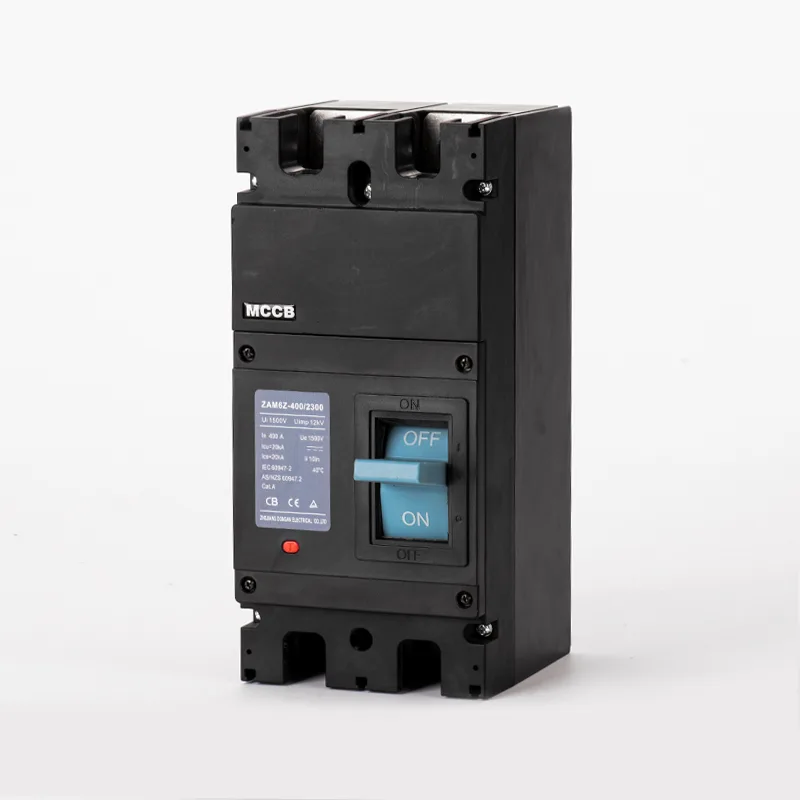
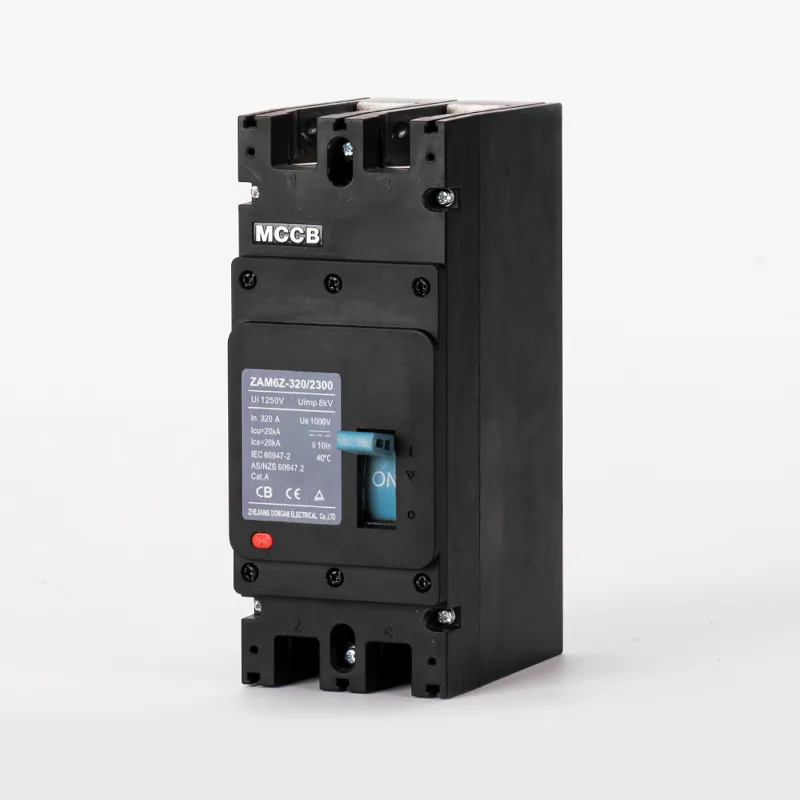
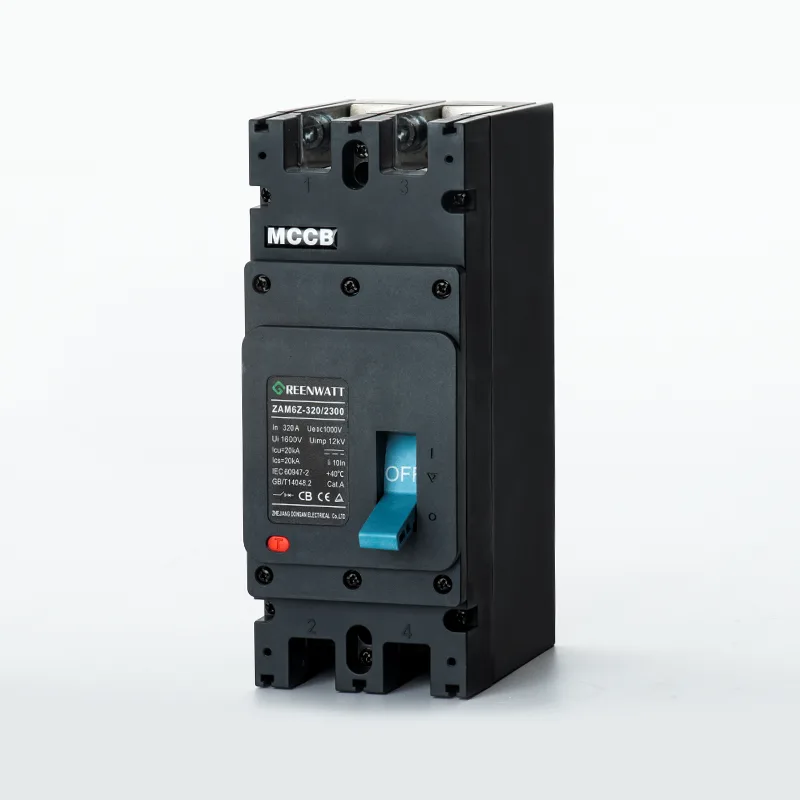
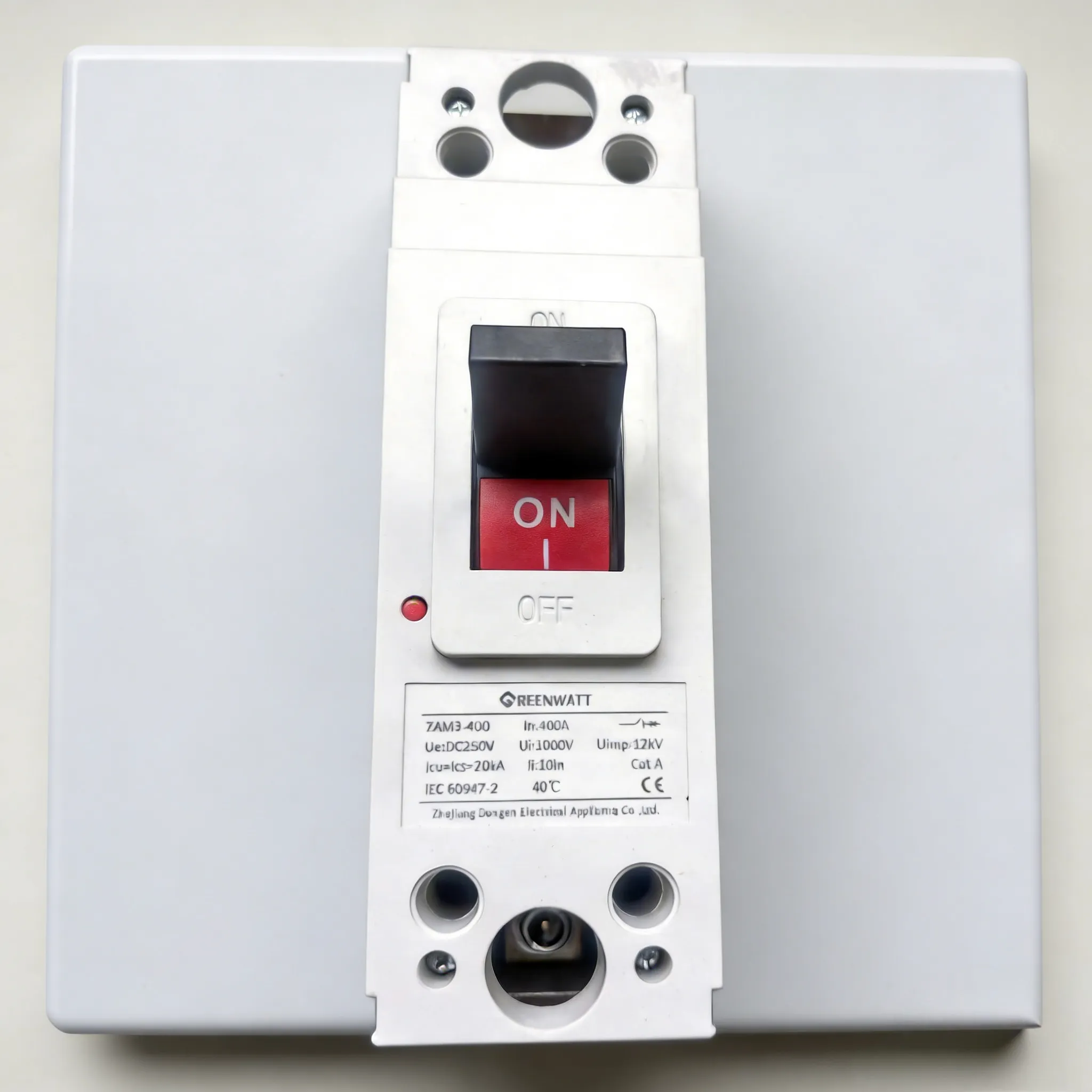
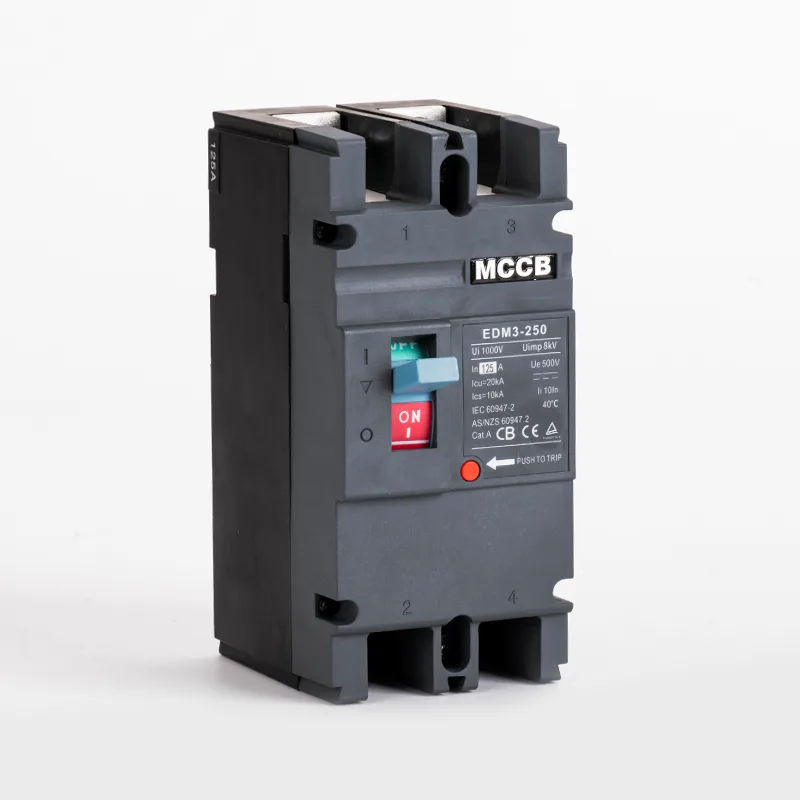
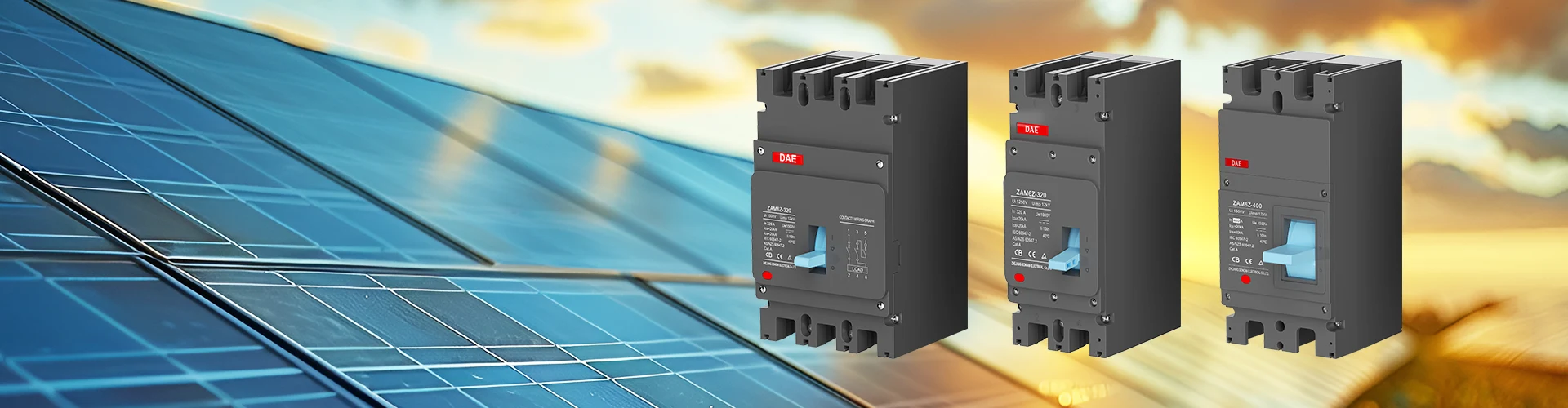
The DC1500V 400A molded case circuit breaker is a high-voltage protection product developed for DC-side applications in energy storage systems. As a professional DC MCCB manufacturer, GreenWatt provides energy storage safety protection solutions centered around the DC1500V 400A molded case circuit breaker, covering residential, commercial, and grid-side energy storage projects. The product has a rated voltage of DC1500V and a rated current of 400A, supports a 2-pole design, and can accurately address overload and short-circuit risks generated during the charging and discharging of energy storage systems, helping system integrators and project owners achieve a balance between safety and cost.
Send Inquiry
Product Description
GreenWatt's DC1500V 400A molded case circuit breaker is TÜV and CE certified and can be connected to mainstream BMS (Battery Management System). It is suitable for indoor and outdoor energy storage cabinet operating environments and is a key electrical component in the DC protection of energy storage systems.
DC Protection Structure Designed Specifically for Energy Storage Systems
GreenWatt has developed a multi-level protection scheme around the DC1500V 400A molded case circuit breaker, with targeted protection designs for different locations within the energy storage system:
● Battery Cluster Level Protection: Overcurrent and short-circuit protection at the battery module output
● PCS Level Protection: Provides stable DC isolation and protection for the energy storage converter
● System-Level Interlocking Design: Supports signal linkage control with mainstream BMS
Precise Voltage-Current Matching: DC 300V-1500V voltage coverage spans mainstream energy storage battery cluster voltage ranges, while 63A-800A current adaptability accommodates diverse power demands from 5kWh residential storage to 500kWh commercial/industrial storage systems.
Wide Temperature and Environmental Adaptability: The DC1500V 400A molded case circuit breaker 2 poles features a flame-retardant BMC material housing and temperature-resistant components, enabling stable operation from -30°C (outdoor energy storage cabinets in cold regions) to +70°C (enclosed energy storage compartments in high-temperature environments) without requiring additional temperature control equipment.
BMS Interoperability: Multiple accessories enable real-time communication with energy storage system BMS. When BMS detects abnormal battery voltage or temperature, it triggers early disconnection of the DC MCCB, achieving “early warning - protection” coordination for more timely response than current detection alone.
Comprehensive Safety Certifications: TheDC1500V 400A molded case circuit breaker 2poles holds TÜV (IEC 60947-2 standard) and CE certifications, meeting domestic and international safety requirements for energy storage projects and reducing compliance risks.
Hot Tags: DC1500V 400A Molded Case Circuit Breaker, China, Manufacturer, Supplier, Factory
Related Category
Send Inquiry
Please Feel free to give your inquiry in the form below. We will reply you in 24 hours.