
How Does a Solar Photovoltaic Connector Enhance PV System Reliability?
Article Abstract
Solar Photovoltaic Connectors are crucial components in solar energy systems, ensuring stable and efficient transmission of electricity between photovoltaic modules and inverters. This article provides a detailed analysis of connector types, design standards, electrical and environmental specifications, installation considerations, and answers to common user concerns. The content is aimed at engineers, installers, and decision-makers seeking to optimize PV system performance and safety.
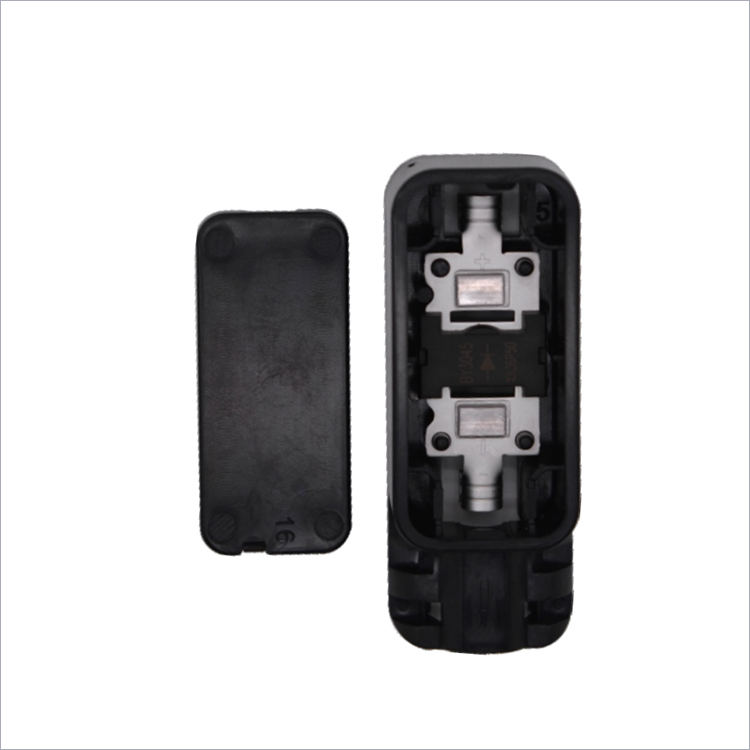
Table of Contents
- Article Outline
- Product Overview and Core Function
- Types and Material Standards
- Technical Parameters and Specifications
- Installation Guidelines
- Solar Photovoltaic Connector FAQ
- Conclusion and Contact
Article Outline
- Introduction to solar connectors and their role in PV systems
- Connector types and material considerations
- Electrical and environmental technical parameters
- Installation best practices and safety measures
- FAQ addressing common questions and troubleshooting
- Company reference and contact guidance
Product Overview and Core Function
A Solar Photovoltaic Connector serves as a secure link between solar modules and the electrical network. Its main function is to ensure safe, stable, and efficient transmission of DC power while minimizing energy loss and preventing electrical hazards. Connectors must meet rigorous electrical, mechanical, and environmental standards to withstand prolonged exposure to sun, temperature variations, moisture, and dust.
In modern PV systems, connectors not only facilitate energy transfer but also provide quick-connect and disconnect functionality, which simplifies installation, maintenance, and system expansion.
Types and Material Standards
Solar Photovoltaic Connectors can be classified based on their connection type, current rating, and material composition. Common types include:
- MC4 Connectors: Widely used single-contact connectors with robust locking mechanisms.
- T4/T6 Connectors: Designed for high-current applications, ensuring low contact resistance.
- Multi-contact Connectors: Modular designs suitable for multi-string PV arrays.
Materials used in connectors are typically UV-resistant plastics and corrosion-resistant metals such as tinned copper, ensuring longevity in harsh outdoor environments.
Technical Parameters and Specifications
Technical specifications define the connector's operational limits and safety requirements.
| Parameter | Specification Range |
|---|---|
| Rated Voltage | 1000V – 1500V DC |
| Rated Current | 20A – 50A |
| Contact Material | Tinned Copper, Silver-Plated Contacts |
| Insulation Material | UV-Resistant Polyamide |
| IP Rating | IP67 – Dust and Water Resistant |
| Operating Temperature | -40°C to +90°C |
| Durability | ≥10,000 Mating Cycles |
Installation Guidelines
Correct installation ensures connector performance and system safety. Key considerations include:
- Ensure connectors are fully engaged and locked to prevent accidental disconnection.
- Verify polarity and compatibility with PV module terminals.
- Protect cables from mechanical stress and UV exposure.
- Use torque-controlled tools to achieve proper contact pressure.
- Regularly inspect connections for corrosion or wear during maintenance cycles.
Following these guidelines reduces energy losses, prevents system downtime, and ensures compliance with industry safety standards.
Solar Photovoltaic Connector FAQ
Q: How do connectors impact PV system efficiency?
A: Properly rated connectors reduce contact resistance and energy losses, directly enhancing overall system efficiency.
Q: Can connectors withstand extreme weather conditions?
A: High-quality connectors with IP67 ratings and UV-resistant materials are designed to maintain functionality in rain, snow, and high temperatures.
Q: How can connectors simplify system maintenance?
A: Quick-connect and disconnect designs allow technicians to safely isolate and replace modules without complex wiring interventions.
Q: Are all connectors compatible with different PV module brands?
A: Standardized connectors like MC4 ensure broad compatibility across modules, but always verify ratings and mechanical fit before installation.
Conclusion and Contact
Solar Photovoltaic Connectors are integral to reliable PV system operation, combining electrical safety, environmental resilience, and ease of maintenance. Selecting connectors with appropriate ratings and durable materials ensures stable power transmission and long-term system efficiency.
GREENWATT offers a full range of high-quality Solar Photovoltaic Connectors engineered for commercial and residential PV projects. For consultation, technical support, or custom solutions, please contact us to discuss your requirements and receive professional guidance.