
News
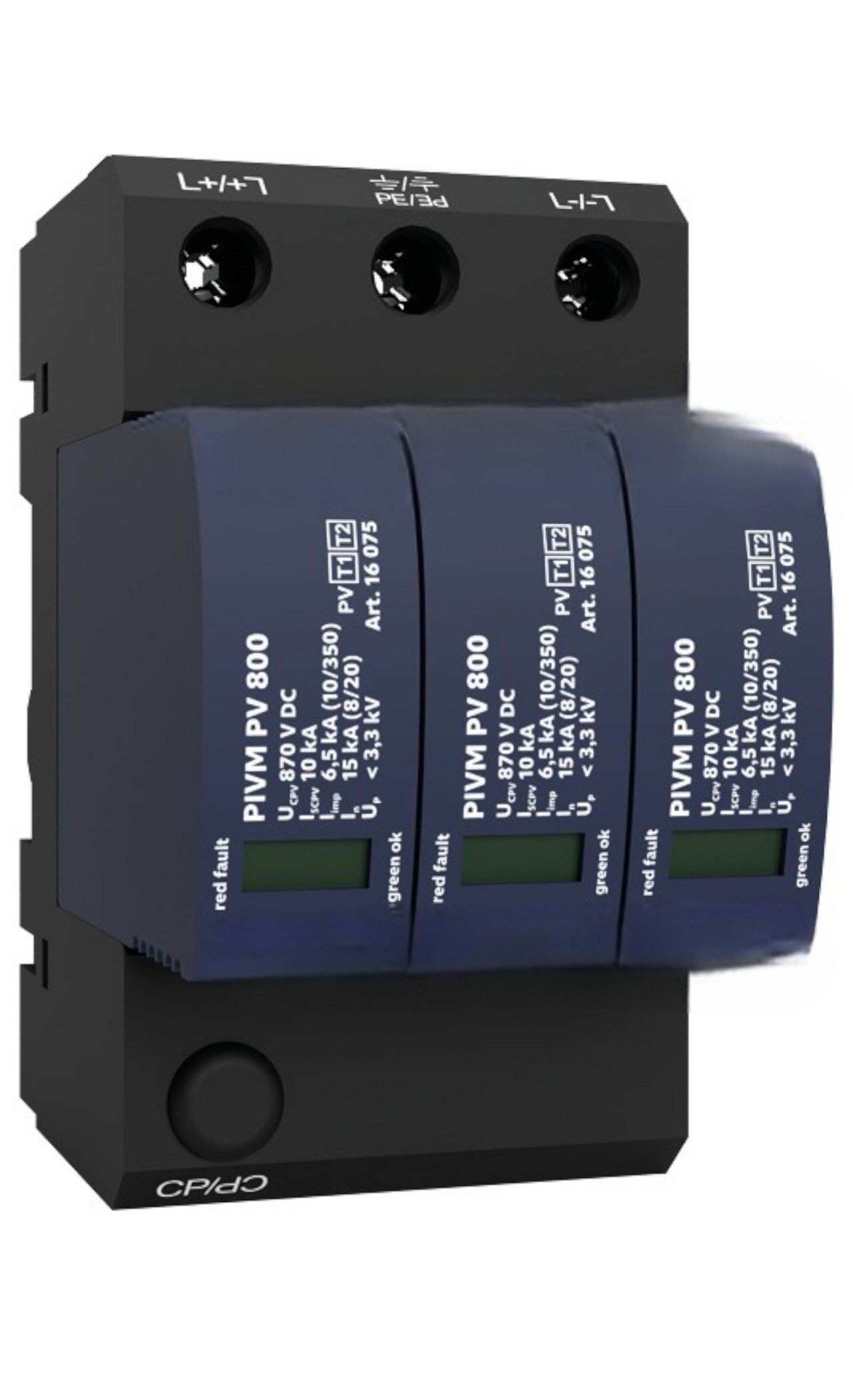
What Makes DC SPD Essential for Reliable Electrical Protection?
In modern electrical systems, the need for reliable protection against overvoltage events has never been more critical. Whether in residential, commercial, or industrial environments, power surges caused by lightning strikes, switching operations, or system faults can damage sensitive equipment and......
Read More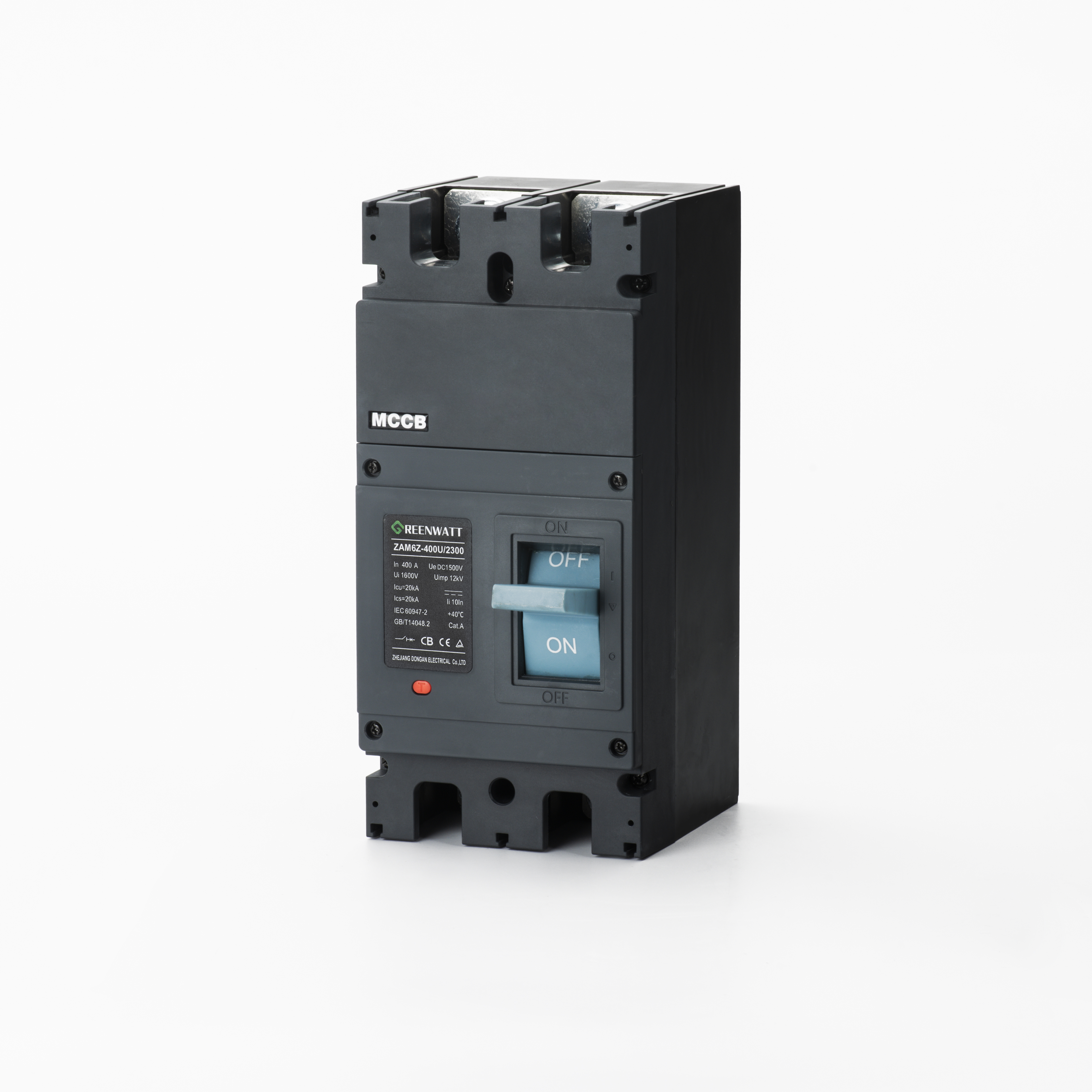
DC MCCB Selection Guide for EV Charging Stations | 1500V Systems
This technical guide provides comprehensive information on selecting and applying DC Molded Case Circuit Breakers for electric vehicle charging infrastructure, covering critical considerations including 1500V DC breaking capacity, temperature rise management, and compliance with international standa......
Read More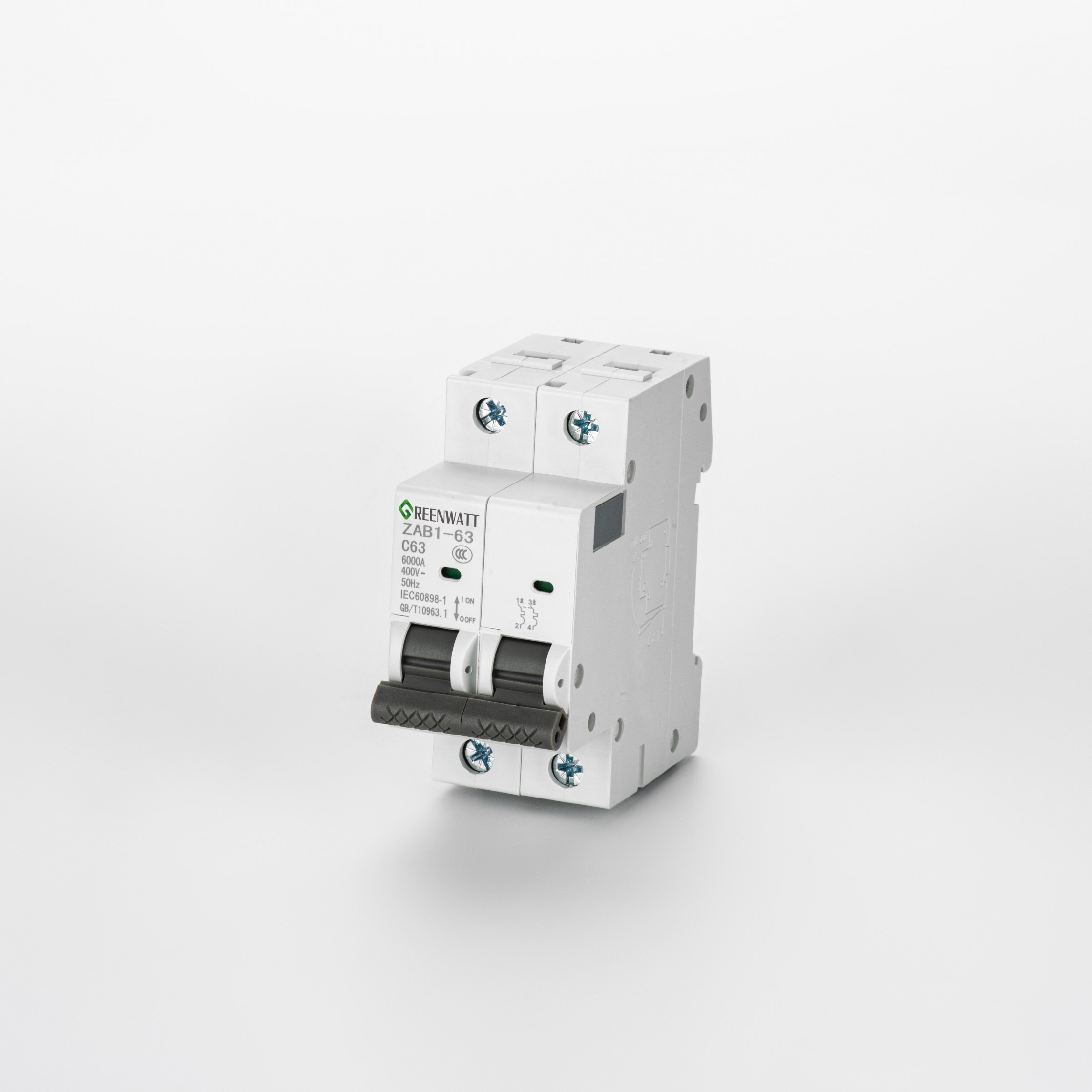
DC MCB Global Export Guide: Standards & Applications
This guide explains DC MCB fundamentals, key standards (IEC 60898-2, UL 489/489B), and device selection for solar PV, energy storage, and EV charging. It maps regional compliance, offers application tips, and flags common pitfalls to speed safe global market entry.
Read More
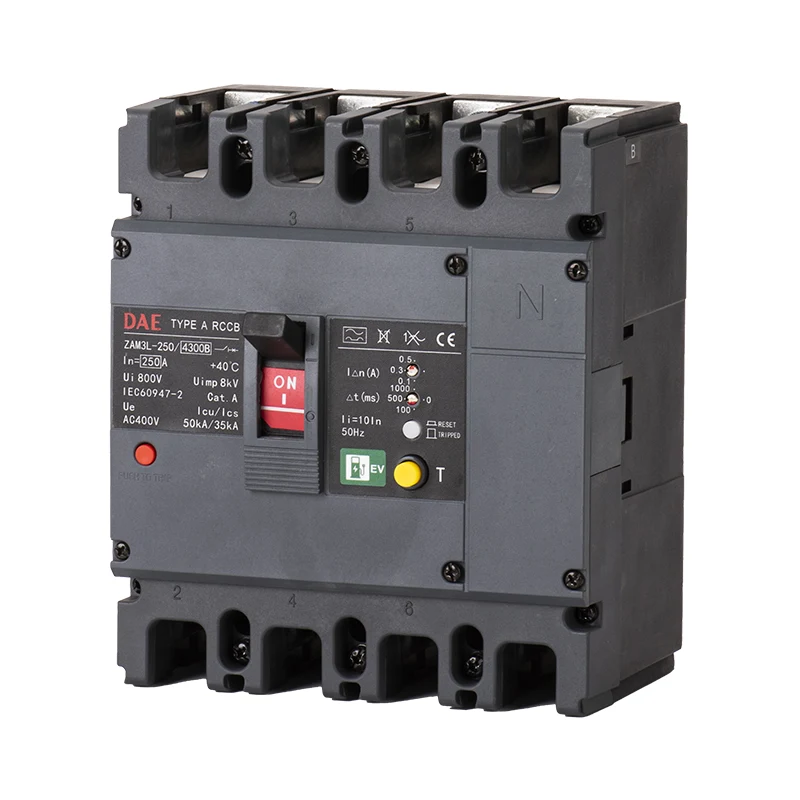
Why Choose TYPE-A RCCB for Reliable Electrical Protection?
Residual Current Circuit Breakers (RCCBs) have become an essential part of modern electrical systems, offering reliable protection against electric shock, leakage currents, and fire hazards. Among the many variants available in the market, TYPE-A RCCB has gained significant attention because of its......
Read More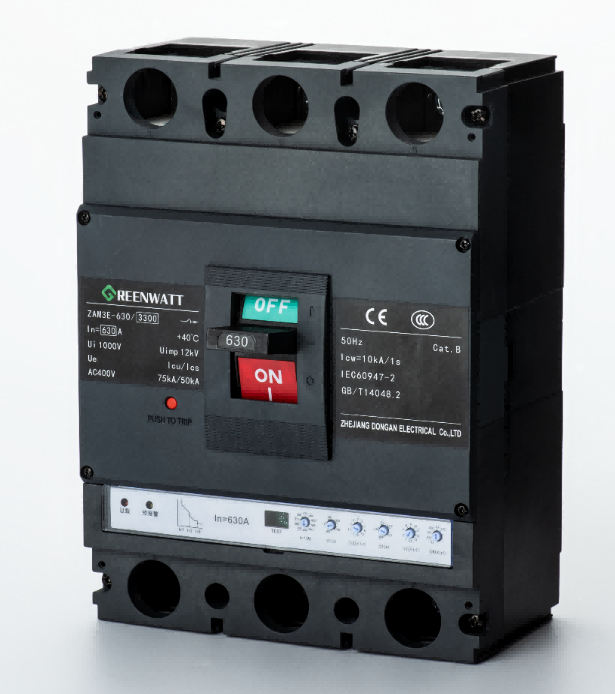
Smart and Stable: Deep Evaluation of AC 800 V, AC 400 V, and Digital MCCB Selection and Application
Modern power architectures demand more than traditional circuit protection. As facilities pursue higher automation and power density, today’s AC MCCB is a critical element for system stability and for preventing catastrophic failures.
Read More